Introduction
In the realm of clinical procedures, couple of subjects are as intricate yet important as stomas. For many, the term "stoma" may stimulate confusion or concern. Nonetheless, comprehending what a stoma is and its function can offer clearness and comfort for those undergoing such procedures or caring for someone who has.
A stoma is an opening developed surgically to allow physical waste to exit when normal discharging pathways are interfered with. This short article will certainly look into numerous facets of stomas-- exploring their performances, treatment methods, and the emotional ramifications of living with one. By the end, we aim to debunk stomas and outfit visitors with beneficial details, specifically in connection with stoma care training and complex bowel care training
What is a Stoma?
A stoma is specified as an operatively produced opening in the body that links an internal organ to the outside. The term can refer to openings from various body organs however is most frequently associated with bowel or urinary diversions.
Types of Stomas
Colostomy: This type involves developing an opening from the colon (huge intestinal tract) to the abdominal area. It's typically required after surgery for colon cancer or inflammatory digestive tract disease.
Ileostomy: An ileostomy includes diverting waste from the ileum (small intestinal tract) straight to a stomach opening, frequently used when the colon requires to be removed.
Urostomy: This kind reroutes pee far from a diseased bladder with an abdominal wall opening.
Why Are Stomas Needed?
Stomas are commonly needed as a result of problems that impair normal digestive system or urinary functions-- such as cancer, Crohn's condition, ulcerative colitis, or trauma. They can significantly enhance quality of life by protecting against problems related to these conditions.
The Objective of a Stoma
The primary function of a stoma is to assist in waste removal when traditional courses are jeopardized:

- Bypass Harmed Tissue: A stoma permits waste to bypass damaged digestive sections. Prevent Complications: It helps avoid infections or obstructions that could happen if waste were permitted to accumulate. Enhance Top quality of Life: For several people, having a stoma means redeeming freedom over their wellness and everyday activities.
Understanding Ostomies and Stomas
While typically used mutually, it is very important to set apart between "stoma" and "ostomy." An ostomy refers extensively to any operation creating a synthetic opening for waste removal; thus every ostomy includes a stoma.
What is an Ostomy?
An ostomy is a broader term incorporating different types of surgeries involving stomas-- colostomies, ileostomies, and urostomies fall under this category.
Stoma Performance Explained
How Does a Stoma Work?
Once created, the stoma functions as a brand-new electrical outlet for waste disposal:
- Waste travels through the intestinal tracts or urinary system tract. It leaves with the stoma right into a collection pouch stuck firmly around it.
What Occurs Post-Surgery?
After surgical procedure, patients need time for healing-- both literally and emotionally:
Initial Recovery: Anticipate some pain post-surgery. Learning Contour: People must adjust to their new routine including ostomy care. Regular Check-Ups: Follow-up appointments make sure appropriate healing and function.Caring for a Stoma: Necessary Training for Carers
Understanding exactly how to take care of a stoma is crucial not just for individuals but additionally for caregivers that aid them.
Stoma Care Training for Carers
To provide optimal assistance, caretakers must undertake specific training programs concentrating on:
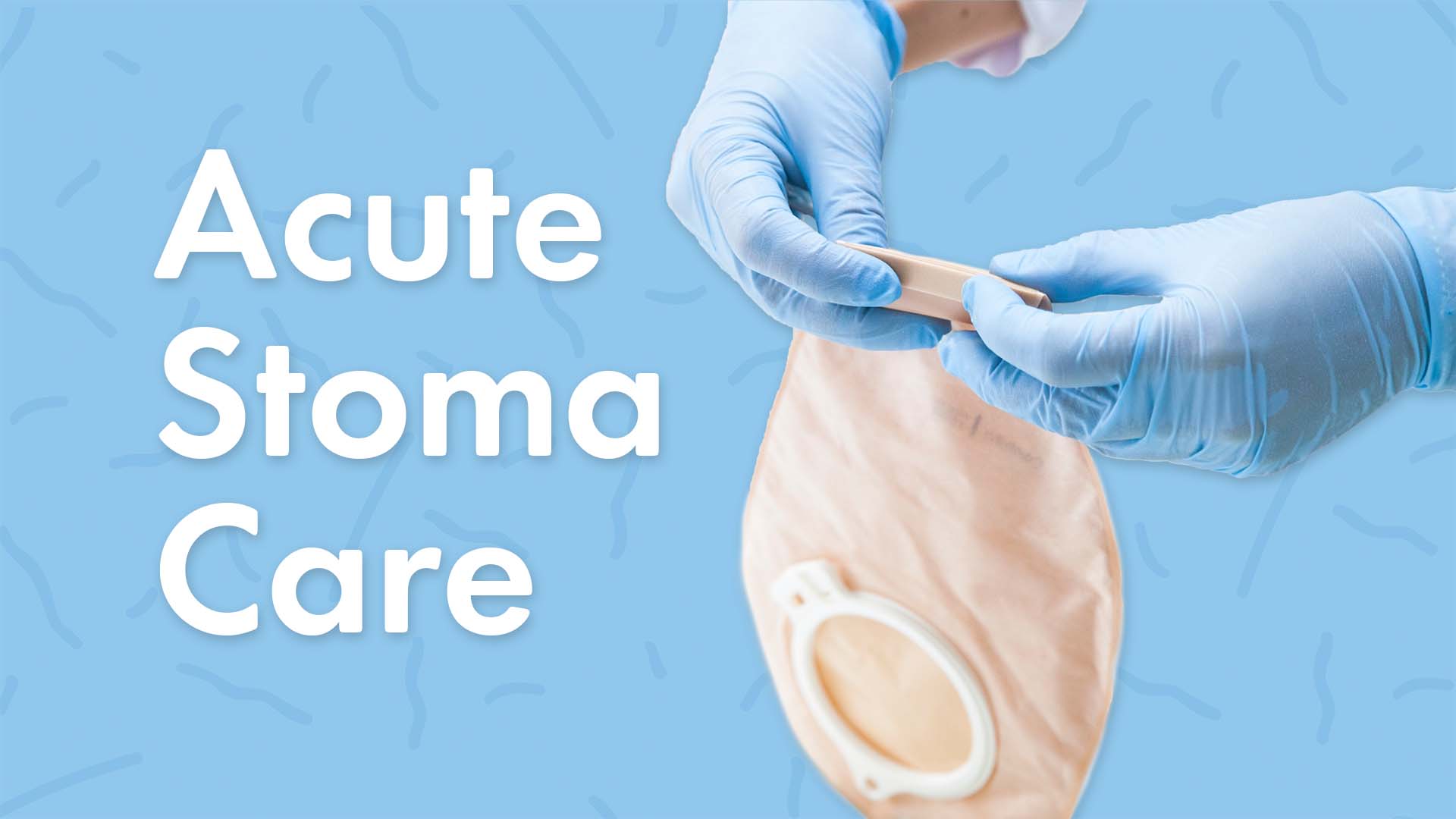
Application of Ostomy Pouches Hygiene Practices Managing Skin Health around the Stoma Recognizing Signs of ComplicationsImportance of Expert Training Programs
Courses like NDIS complex bowel care training offer organized education customized particularly for carers handling intricate cases involving ostomies.
Complex Digestive tract Care Training
What Does Complex Bowel Care Entail?
Complex digestive tract treatment includes managing disorders influencing digestive tract feature that might call for customized treatments consisting of:
- Techniques for effective digestive tract management. Understanding dietary modifications needed post-surgery. Psychological support techniques during healing phases.
Benefits of Complex Bowel Care Courses
These courses empower caretakers with functional skills that improve individual outcomes while reducing anxiety bordering ostomy management.
Understanding Bowel Care Management Techniques
Effective bowel care management is vital in guaranteeing both physical health and wellness and emotional health post-stoma surgical treatment:
Dietary Factors to consider Post-Stoma Surgery
Patients may need support on dietary modifications vital for preserving healthy and balanced digestion after surgical procedure:
Soft Foods Initially Gradually Reestablishing Fiber Hydration ImportanceRegular Surveillance of Outcome & Wellness Status
Keeping track of NDIS funded complex bowel care stool consistency can aid identify prospective problems early on:
|Feces Type|Indicator|| ------------|--------------------|| Kind 1|Bowel irregularity|| Kind 5|Diarrhea|| Kind 7|Extreme looseness of the bowels|
Emotional Impacts of Dealing with a Stoma
Living with a stoma can cause substantial psychological challenges; comprehending these can assist in offering compassionate support:
Common Emotional Reactions Post-Surgery
Anxiety Concerning Appearance Fear Regarding Leakage Concerns Over Social AcceptanceAddressing Emotional Health
Support groups can play an indispensable function in aiding individuals navigate these challenges by attaching them with others dealing with similar experiences.
FAQs Concerning Stomas and Ostomies
1. What lifestyle changes ought to I expect after getting a stoma?
Adjustments consist of dietary modifications, learning proper hygiene practices, and adapting day-to-day activities around ostomy care routines.
2. Exactly how often will certainly I need stoma supplies?
Most people transform their bag every 3-7 days depending on individual demands; however, everyone's scenario may differ significantly.
3. Can I take part in sporting activities with a stoma?
Yes! Numerous athletes successfully participate in sporting activities post-surgery; safety equipment may be recommended depending on activity levels.
4. Is there any kind of risk of problems after surgery?
As with any kind of operation, threats do exist consisting of infection or clog at the website; routine follow-ups lower these threats significantly.
5. What mental support alternatives are available?
Counseling solutions customized in the direction of those adjusting to life post-ostomy can use immense advantages alongside peer support system catering specifically in the direction of ostomy patients.
6. Just how do I know if my stoma needs clinical attention?
Signs such as enhanced soreness around the base of your stoma or unusual result (like excessive blood loss) show you need to call your doctor immediately.
Conclusion
Understanding "What is a Stoma? Exploring Its Purpose and Capability" is essential not simply for people considering this path yet likewise caretakers sustaining them through their journey in the direction of recovery and adjustment post-surgery.
As we've checked out throughout this write-up-- from types and functions of stomata-- to essential facets involved in efficient caregiving-- it appears that education and learning plays an irreplaceable function in ensuring optimum end results both literally and psychologically when taking care of an ostomy.
With sources like NDIS complex bowel care training available today together with comprehensive understanding gotten below relating to "what is ostomy care," any person navigating this course needs to really feel encouraged as opposed to intimidated by what lies ahead.
Through informed selections backed by professional advice integrated with area support systems-- the change into life after getting an ostomy becomes much smoother assisting in freedom when again!